Blogs on Topics Related to Pig Buying and Selling

How to Use 7Livestock.com to Find Pigs for Sale Fast

pigs for saleFinding quality pigs for sale can sometimes feel difficult, especially when relying on local classifieds, auctions, or word-of-mouth connections. Today, many farmers and livestock buyers are turning to online platforms that make it easier to locate animals quickly and connect directly with trusted sellers. One of the fastest and most convenient ways to find pigs for sale is by using the online pig marketplace at 7Livestock.com, operated by 7 Hill Farms and Livestock.

This guide explains how the platform works and how buyers can use it to locate pigs efficiently.

Finding Pigs for Sale Online

Traditional livestock searches often involve visiting multiple farms, calling sellers individually, or waiting for auction days. An online pig marketplace streamlines the process by bringing buyers and sellers together in one place.

Benefits of using an online marketplace include:

  • Faster access to available pigs
  • Ability to compare multiple listings
  • Direct contact with sellers
  • Broader geographic reach
  • Updated listings throughout the year

For buyers searching for pigs for sale, this approach saves time while providing more options.

Step 1: Visit 7Livestock.com

The first step is simply visiting the platform. 7Livestock.com is designed specifically for livestock listings, making it easy to browse animals without sorting through unrelated classifieds.

Once on the site, you can immediately begin searching listings for pigs available from farms and breeders. The platform focuses on making livestock discovery straightforward so buyers can quickly locate animals that meet their needs.

Step 2: Browse Listings of Pigs for Sale

After arriving at the site, the next step is browsing listings.

Each listing typically provides useful information such as:

  • Breed or type of pig
  • Age or weight
  • Location of the seller
  • Photos of the animals
  • Contact information

These details help buyers evaluate whether a listing is a good fit before reaching out. When trying to find pigs for sale quickly, the ability to review multiple listings in one place is extremely helpful.

Buyers looking for feeder pigs, breeding stock, or show pigs can compare options without spending hours searching across multiple websites.

Find a Pig
Near You

Browse Listings

Step 3: Filter by Location or Farm

One of the biggest advantages of an online pig marketplace is the ability to search beyond your immediate area.

If you are willing to travel or arrange livestock transportation, expanding your search radius often reveals many more pigs for sale. Many buyers find animals this way that they would never have discovered through local classifieds alone.

When browsing listings, you can quickly identify farms that are within driving distance or that offer transportation options.

Step 4: Review Photos and Animal Details

Quality listings typically include photos and detailed descriptions. Reviewing these helps buyers make informed decisions before contacting the seller.

Look for listings that include:

  • Clear images of the pigs
  • Accurate descriptions of age and weight
  • Information about health and feeding
  • Notes about breeding potential or show quality

These details help buyers determine whether the animals meet their goals.

For example, someone raising pigs for meat may prioritize growth rate and feed efficiency, while show pig buyers may focus more on structure and genetics.

Step 5: Contact the Seller Directly

Once you find pigs that match what you are looking for, the next step is contacting the seller.

Most listings on 7Livestock.com provide contact details so buyers can ask questions such as:

  • Are the pigs still available?
  • What feed program are they on?
  • When are they ready for pickup?
  • Are multiple pigs available?

Direct communication allows buyers to clarify details before arranging pickup or delivery.

Need a Special Pig?

  • Give us your wish list
  • We’ll match you to sellers
  • No obligation to buy

Order a Pig

Step 6: Arrange Pickup or Transportation

After confirming availability, buyers can schedule a pickup time with the seller.

Depending on distance, buyers may:

  • Pick up pigs directly from the farm
  • Arrange livestock transport
  • Coordinate delivery with the seller

Planning transportation ahead of time helps ensure a smooth transaction and reduces stress on the animals.

Tips for Finding Pigs for Sale Faster

If your goal is to find pigs for sale quickly, these tips can help:

  • Check listings frequently for new animals
  • Contact sellers quickly when you find a good match
  • Expand your search area when possible
  • Be flexible about pickup timing

Because livestock availability can change quickly, responding promptly often leads to the best results.

A Simpler Way to Find Pigs for Sale

Searching for livestock does not need to be complicated. Platforms like 7Livestock.com, operated by 7 Hill Farms and Livestock, make it easier to locate pigs from farms and breeders across different regions.

Instead of relying only on local listings or waiting for auctions, buyers can use an online pig marketplace to discover animals faster, compare options, and connect directly with sellers.

For anyone actively looking for pigs for sale, using a dedicated livestock platform can save time and make the entire process far more efficient.

FAQ

What should I look for when buying pigs online?
Buyers should evaluate the pig’s age, weight, breed, and overall health condition. It is also helpful to ask the seller about vaccination history, feeding program, and whether the pigs are accustomed to human handling.

What size pigs are best for beginners to raise?
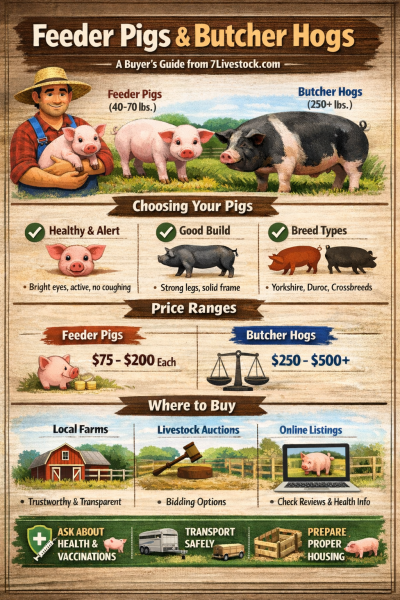
Many new pig owners start with feeder pigs weighing between 40 and 70 pounds. At this size they are typically hardy, easier to transport, and still young enough to adapt well to new environments.

How much do pigs for sale usually cost?
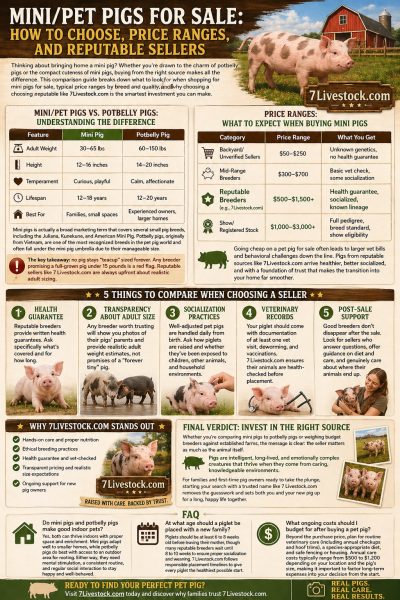
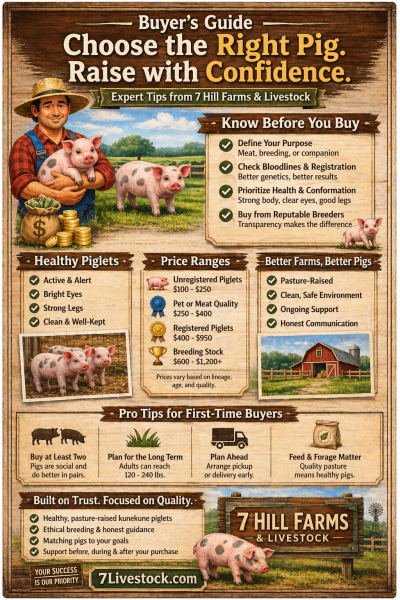
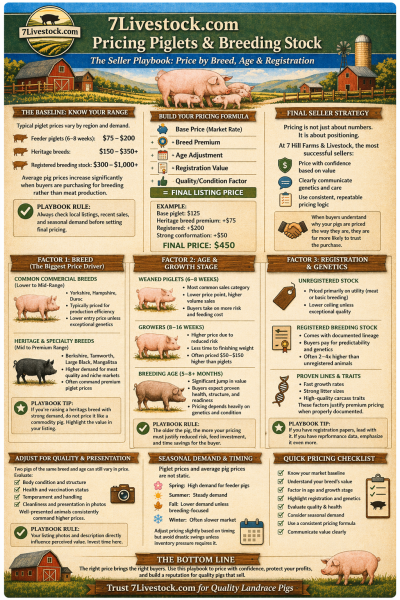
Prices vary depending on breed, genetics, age, and region. Feeder pigs often range from about $75 to $300, while breeding stock or show-quality pigs may cost significantly more.

Best Pig Breeds for Feeder: Pros, Cons, and Starter Costs

Best Pig Breeds for Feeder Choosing the best pig breeds for feeder pigs is one of the most important decisions for new livestock owners. Different breeds grow at different rates, convert feed differently, and vary in temperament and hardiness. For beginners, selecting the right breed can make the difference between a smooth first season and a frustrating learning curve.

Best Pig Breeds for Feeder

Whether you’re raising pigs for meat production, homesteading, or youth livestock projects, understanding the cost to raise pigs, breed strengths, and overall management needs will help you choose wisely. Below are several hardy pig breeds that are commonly recommended as beginner pigs due to their adaptability, temperament, and reliable growth.

Berkshire Pigs

Berkshire pigs are widely considered one of the best choices for both beginner farmers and experienced producers. Known for their excellent meat quality and balanced growth, they are often raised as feeder pigs across the United States.

Pros

  • Excellent pork flavor and marbling
  • Strong feed efficiency
  • Calm temperament compared to many breeds
  • High market demand for Berkshire pork

Cons

  • Feeder pigs may cost slightly more due to popularity
  • Slightly slower growth compared to some commercial breeds

Starter Costs

  • Feeder pig price: typically $80–$200 per pig
  • Feed cost to market weight: $300–$400
  • Total estimated cost to raise pigs: $380–$600 per pig

For beginners who want a balance of quality meat, manageable temperament, and predictable growth, Berkshire pigs are often one of the safest choices.

Yorkshire Pigs

Yorkshire pigs are one of the most widely raised commercial pig breeds in North America. They are known for their strong growth rate and efficient feed conversion, making them popular feeder pigs.

Find a Feeder Pig
Near You

Browse Listings

Pros

  • Fast growth rate
  • Excellent feed conversion
  • Lean meat production
  • Widely available feeder pigs

Cons

  • Slightly more sensitive to extreme weather conditions
  • Less marbling than heritage breeds

Starter Costs

  • Feeder pig price: $60–$150
  • Feed to market weight: $280–$380
  • Total estimated cost to raise pigs: $340–$530

Yorkshires are a practical option for those focused on efficient meat production and predictable performance.

Hereford Pigs

Hereford pigs have gained popularity among small farms and homesteaders due to their attractive coloring and calm disposition. Their hardy nature makes them ideal beginner pigs.

Pros

  • Very docile temperament
  • Strong mothering traits if breeding later
  • Adaptable to pasture and small farms
  • Good meat quality

Cons

  • Slightly less common in some regions
  • Growth rate may be moderate compared to commercial lines

Starter Costs

  • Feeder pig price: $75–$175
  • Feed to market weight: $300–$400
  • Total estimated cost to raise pigs: $375–$575

Because of their calm behavior and adaptability, Hereford pigs are often recommended for youth livestock projects and first-time pig owners.

Duroc Pigs

Duroc pigs are another popular breed known for their hardiness and ability to perform well in a variety of environments. Many producers use Durocs in crossbreeding programs because of their growth and muscle development.

Pros

  • Very hardy pig breed
  • Strong growth and feed efficiency
  • Excellent meat quality
  • Performs well in outdoor systems

Cons

  • Can be more energetic than some breeds
  • May require stronger fencing

Starter Costs

  • Feeder pig price: $60–$150
  • Feed to market weight: $300–$400
  • Total estimated cost to raise pigs: $360–$550

Durocs are a strong choice for producers who want a hardy pig breed capable of thriving in pasture or mixed farming environments.

Need a Special Pig?

  • Give us your wish list
  • We’ll match you to sellers
  • No obligation to buy

Order a Pig

Hampshire Pigs

Hampshire pigs are known for their muscular build and distinctive black bodies with a white belt across their shoulders. They are often used in commercial meat production due to their lean carcass quality.

Pros

  • Excellent muscle development
  • Efficient feed conversion
  • Reliable growth performance
  • Widely used in crossbreeding

Cons

  • Leaner meat than some heritage breeds
  • Slightly more active temperament

Starter Costs

  • Feeder pig price: $60–$140
  • Feed to market weight: $280–$380
  • Total estimated cost to raise pigs: $340–$520

For producers focused on efficient meat production and lean pork, Hampshire pigs are a dependable feeder pig option.

What Does It Cost to Raise Pigs?

For most small farms and homesteads, the cost to raise pigs is driven primarily by feed. Pigs typically reach market weight (250–300 pounds) in about 5–6 months.

Typical expenses include:

  • Feeder pig purchase: $60–$200
  • Feed: $280–$400
  • Bedding and supplies: $20–$60
  • Processing costs: $100–$150

This places the total cost to raise pigs between $460 and $800 per pig, depending on feed prices, breed, and management practices.

Many small farmers find that raising pigs themselves produces higher-quality pork while offering more control over feed and animal care.

Choosing the Right Feeder Pig Breed

When selecting feeder pigs, beginners should focus on temperament, availability, and hardiness rather than chasing the fastest growth rate. A calm, adaptable breed is easier to manage and often leads to a better overall experience for new livestock owners.

At 7 Hill Farms & Livestock, we help new and experienced farmers find healthy feeder pigs and hardy pig breeds suited for small farms, homesteads, and livestock projects. Starting with strong genetics and well-raised pigs can make the entire raising process smoother and more rewarding.

If you’re considering raising pigs for the first time, choosing the right breed is the first step toward a successful and enjoyable livestock experience.

FAQ

What breed of pig is best for beginners?
Berkshire, Hereford, and Duroc pigs are often recommended as beginner pigs because they are hardy, adaptable, and typically have calmer temperaments than some commercial lines.

How long does it take to raise feeder pigs to market weight?
Most feeder pigs reach market weight between 250–300 pounds in about 5 to 6 months, depending on feed quality, breed genetics, and management.

Are heritage pig breeds harder to raise?
Not necessarily. Many heritage breeds are actually hardy pig breeds that adapt well to pasture and small farms. They may grow slightly slower but often produce excellent pork quality.

Show Pigs for Sale: How to Choose, Price Ranges, and Reputable Sellers

show pigs for saleFor families involved in youth livestock programs, finding the right show pigs for sale can make a major difference in a successful project. Whether you are participating in 4H pigs programs or raising FFA pigs for competition, the quality of the pig, its genetics, and the breeder you purchase from all play important roles.

Show Pigs for Sale: Making your Decision

A well-chosen show pig provides an opportunity to learn animal care, responsibility, and livestock management while also competing at local, county, and state fairs. Understanding how to evaluate pigs, typical pricing ranges, and how to identify trustworthy breeders will help buyers make confident decisions.

What Makes a Good Show Pig

When searching for show pigs for sale, the goal is not simply to buy a piglet, but to find one with the genetic potential to grow into a competitive market hog.

Several characteristics should be evaluated before purchasing.

Find a Show Pig
Near You

Browse Listings

Structure and soundness
A good show pig should walk comfortably with a natural stride. Structural soundness in the legs and joints allows the animal to grow efficiently and remain healthy throughout the feeding period.

Muscle shape and body composition
Judges look for pigs that have a balanced combination of muscle and leanness. A wide top, strong loin area, and a square build are typically desirable traits.

Growth potential
Show pigs need the ability to reach the proper market weight in time for competition. Quality genetics often lead to consistent growth and improved feed efficiency.

Temperament
A calm pig that adapts well to handling will be easier for youth exhibitors to train and manage during the show season.

Experienced breeders carefully select breeding lines that consistently produce pigs with these characteristics.

Choosing the Right Pig for 4H and FFA Projects

Youth livestock programs such as 4H pigs and FFA pigs emphasize both learning and competition. Selecting the right pig helps students gain the most from the experience.

Consider these factors when choosing a project pig:

Age and weight
Most show pig buyers look for piglets between 6 and 10 weeks old. At this stage, they are young enough to adapt to new environments while still showing early structural traits.

Fair weight targets
Every fair has specific weight requirements. Buyers should choose pigs that have the genetic potential to reach the target weight within the feeding period.

Breed or cross genetics
Many successful show pigs are crossbred to combine desirable traits such as muscle expression, growth rate, and structural balance.

Support from the breeder
A breeder who offers guidance on feeding, care, and show preparation can be extremely valuable for first-time exhibitors.

Programs like 4-H and FFA are about much more than ribbons. They teach responsibility, livestock management, and confidence, making the project pig selection an important starting point.

Need a Special Pig?

  • Give us your wish list
  • We’ll match you to sellers
  • No obligation to buy

Order a Pig

Typical Price Ranges for Show Pigs

Prices for show pigs for sale can vary significantly depending on genetics, breeder reputation, and competition level.

Here are general price ranges buyers often encounter:

Entry-level project pigs
$200 – $400
These pigs are typically solid choices for local fairs and beginner exhibitors.

Mid-range show pigs
$400 – $800
These pigs often come from proven breeding lines and may have stronger show potential.

High-end competition pigs
$800 – $2,500+
Elite genetics and champion bloodlines can command higher prices, particularly from well-known breeders.

While price can reflect quality genetics, success still depends heavily on feeding programs, daily care, and training throughout the project.

Timing Matters When Buying Show Pigs

Show pig availability often follows seasonal cycles tied to county fair schedules.

Buying early in the season provides several advantages:

Better selection
The strongest pigs from each litter typically sell first.

More time for feeding programs
Proper nutrition and conditioning take time to produce a well-finished market hog.

Training opportunities
Early purchase gives exhibitors time to work with their pig, so it becomes comfortable being handled and shown.

For youth exhibitors, having additional time to learn feeding routines and care practices can greatly improve their show experience.

Quality Show Pigs for Sale

At 7 Hill Farms & Livestock, we provide carefully raised show pigs for sale for youth livestock programs. Our pigs are selected for structural soundness, strong growth potential, and the kind of balanced build that performs well in the show ring.

We regularly work with families involved in 4H pigs and FFA pigs, helping match exhibitors with pigs that fit their goals and fair timelines. Our focus is on producing healthy pigs with reliable genetics while supporting young exhibitors throughout their projects.

Choosing the right show pig is the first step toward a rewarding livestock experience. With the right genetics, proper care, and dedication, youth exhibitors can gain valuable skills while competing successfully in the show ring.

FAQ

How early should I buy a show pig for a county fair?
Most exhibitors purchase pigs 3 to 4 months before their fair to allow time for feeding, growth, and training.

What weight should a show pig reach at the fair?
Most fairs target a finished weight between 260 and 300 pounds, though requirements vary by event.

Are crossbred pigs better for shows?
Many show pigs are crossbred because combining genetic lines can improve muscle development, structure, and overall balance.

Hereford Pigs for Sale: How to Choose, Price Ranges, and Reputable Sellers

Hereford Pigs for SaleIf you’re searching for Hereford pigs for sale, you’re likely looking for a breed that combines eye-catching color with strong performance and excellent temperament. Whether you’re a first-time homesteader, a 4-H family, or an experienced livestock producer, Herefords are a versatile option known for growth efficiency, meat quality, and docile behavior.

In this guide, we’ll walk through how to choose the right Hereford piglets, what price ranges to expect, and why now is a smart time to invest in quality Hereford genetics from trusted programs like 7 Hill Farms & Livestock.

Considering Hereford Pigs for Sale

Hereford pigs are easily recognized by their red bodies and white faces, similar in pattern to Hereford cattle. Beyond appearance, they are valued for their balanced traits and adaptability.

They are known for docile temperament, making them easier to handle for youth exhibitors and small farms. They demonstrate efficient growth rates with strong feed conversion. Sows are respected for solid litter size and dependable mothering ability. In addition, Herefords produce high-quality pork with balanced muscling and desirable carcass characteristics.

Because of these qualities, Hereford piglets are a practical choice for show projects, freezer pork, and breeding programs alike.

Find a Hereford Pig
Near You

Browse Listings

How to Choose the Right Hereford Piglets

Not all Hereford pigs for sale are equal. Matching the pig to your intended purpose is essential.

Define Your Goal

Before purchasing, determine whether you are buying for a youth livestock show, breeding stock, pasture-based pork production, or homestead freezer pork. Your goal will influence the genetics, structure, and age you should prioritize.

Evaluate Structure and Soundness

Look for piglets that stand square on all four legs and move freely without stiffness. A level topline, width through the chest, and strength through the hip indicate durability and growth potential. Structural soundness is critical for long-term success, especially in breeding animals.

Assess Body Composition

For show or breeding prospects, seek balance. Piglets should have adequate muscle expression without appearing overly coarse or extreme. Strong bone structure and proportional build are key indicators of long-term performance.

For freezer pork, focus on overall health, growth rate, and feed efficiency rather than extreme muscle shape.

Check Health Indicators

Healthy Hereford piglets should appear alert and active with bright eyes and clean skin. Ask about vaccination schedules, deworming protocols, and current feeding programs. A responsible seller should be transparent about herd management and health practices.

Need a Special Pig?

  • Give us your wish list
  • We’ll match you to sellers
  • No obligation to buy

Order a Pig

Hereford Pig Price Ranges

Pricing for Hereford pigs for sale depends on age, quality, registration status, and intended use.

Feeder Hereford piglets, typically 8 to 12 weeks old, often range from $100 to $300. These are commonly purchased for freezer pork or entry-level projects.

Show-quality Hereford piglets generally range from $300 to $800 or more, depending on structure, pedigree, and overall potential.

Registered breeding stock, including gilts and boars with strong lineage, may range from $500 to $2,000 or more. Higher prices reflect genetic consistency, performance history, and breeding value.

When comparing pricing, consider long-term value rather than just initial cost. Well-raised Hereford piglets from experienced Hereford breeders often deliver better growth, performance, and fewer health challenges over time.

Now Is a Good Time to Buy Hereford Pigs

Timing plays an important role when purchasing livestock.

Buying early in the season allows you to maximize growth prior to show dates and take advantage of ideal pasture conditions. Processing schedules for freezer pork can fill quickly, so planning ahead provides flexibility.

Demand for locally raised pork continues to grow, making quality genetics a strong long-term investment. Purchasing Hereford piglets now positions small farms and homesteads to meet seasonal demand.

Selection is another important factor. Reputable programs often sell their best stock quickly. Acting sooner provides more options in structure, temperament, and bloodline.

Ultimately, investing in strong genetics today can positively impact feed efficiency, litter performance, and overall herd quality for years to come.

Questions to Ask Before Buying

Before committing to Hereford pigs for sale, consider asking:

  • Are the piglets registered or eligible for registration?
  • What feed are they currently on, and how should transitions be handled?
  • What vaccinations and health protocols have been completed?
  • Is delivery or transportation coordination available?

Clear communication ensures a smooth transition and sets realistic expectations.

Choose 7 Hill Farms & Livestock

At 7 Hill Farms & Livestock, the focus is on helping buyers select Hereford piglets that align with their specific goals. Emphasis is placed on practical genetics, sound structure, and responsible herd management.

FAQ

What makes Hereford piglets a good choice for beginners?
Hereford piglets are known for their calm temperament and manageable size, making them easier for new livestock owners or youth exhibitors to handle and care for.

How much space do Hereford pigs need?
Space requirements vary based on age and production style, but pasture-based systems typically allow several hundred square feet per pig, along with shelter and dry bedding areas.

Can Hereford pigs be raised on pasture?
Yes. Herefords adapt well to pasture-based systems when provided proper fencing, rotational grazing, balanced nutrition, and protection from extreme weather.

Now Is the Best Time to List Feeder Pigs

If you raise feeder pigs, timing is not just important. It directly impacts how quickly you sell and how strong your pricing holds. Across the United States, late winter through early spring consistently represents the most strategic window to list feeder pigs. Buyers are actively planning their finishing schedules, pasture rotations, and processing timelines. When you align your listings with that demand cycle, you position yourself for faster movement and stronger margins.

At 7 Hill Farms & Livestock, we closely watch seasonal buying patterns. Each year, this period proves to be one of the most active times for feeder pig inquiries and sales.

Why List Feeder Pigs in Early Spring?

Strong Seasonal Demand from Finishers

Feeder pigs, typically sold at 40 to 70 pounds, are purchased by producers who want to raise them to market weight. Many finishers intentionally buy pigs in late winter and early spring so animals will reach finishing weight in summer.

Summer pork demand traditionally increases due to grilling season, retail promotions, and consistent processing schedules. Buyers want pigs that will be ready when market conditions are favorable. That means they are actively searching for quality feeder pigs right now.

When you list feeder pigs during this planning window, you are meeting buyers exactly when they are making purchasing decisions, not after they have already filled their barns.

Ideal Weather Conditions for Transport and Transition

Another reason this is the best time to list feeder pigs is environmental stability. Moderate temperatures reduce stress during transport. Extreme summer heat can cause health challenges, and deep winter cold can complicate hauling and acclimation.

Spring offers:

  • Safer hauling conditions
  • Lower stress during transition
  • Improved feed conversion once pigs settle in
  • Stronger overall health outcomes

Buyers understand these advantages, which is why purchasing activity increases during this window.

Feed Cost Planning Is in Motion

Feed is the largest expense in raising pigs. Producers monitor grain markets closely and plan purchases when margins make sense. As winter ends, many buyers finalize feed contracts and prepare barn space for new groups.

When buyers have feed secured and facilities ready, they are motivated to purchase feeder pigs quickly. Listing now allows you to capture that readiness.

Waiting too long can mean competing with more listings later in the season when supply increases and buyer urgency decreases.

Growing Interest from Small Farms and Homesteads

Small-scale farming and homesteading continue to grow across the country. Many first-time or seasonal growers purchase pigs in early spring so they can raise them through summer and process in fall.

These buyers search online for feeder pigs for sale and often make decisions quickly once they find available inventory that fits their timeline. Clear listings with current weights and pickup details help secure those sales.

Reduced Competition Early in the Season

A key advantage of listing feeder pigs now is reduced competition. As farrowing ramps up deeper into spring, more pigs enter the marketplace.

Early-season listings often benefit from:

  • Greater visibility
  • Less pricing pressure
  • More buyer inquiries per post
  • Faster sale turnaround

Being early positions your operation as a primary source rather than one of many options.

Operational Benefits for Producers

Listing feeder pigs during this window also strengthens farm efficiency. Early sales:

  • Free up space for upcoming litters
  • Reduce feed costs on growing pigs
  • Improve herd flow and barn management
  • Generate timely cash flow

Strategic timing supports both profitability and operational rhythm.

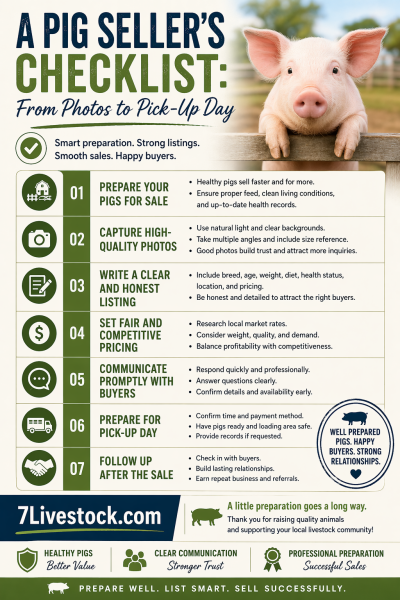
Have a Pig to Sell?

  • Reach ready buyers
  • Easy listing process
  • Straightforward pricing

Create Listing

The Market Timing Advantage

Livestock markets operate in cycles. Producers who align listings with buyer planning cycles consistently see stronger results.

Late winter through early spring remains the strongest window to list feeder pigs because:

  • Finishers are preparing for summer markets
  • Transport conditions are more stable
  • Feed planning decisions are underway
  • Small-scale growers are actively purchasing
  • Competition is still manageable

If you have feeder pigs ready, this is the season buyers are searching.

List Feeder Pigs Now!

At 7 Hill Farms & Livestock, we encourage producers to take advantage of this demand window. If you are ready to move quality feeder pigs, now is the time to list them. Contact 7 Hill Farms & Livestock to feature your feeder pigs, increase buyer visibility, and connect with serious purchasers looking to secure inventory for the season ahead.

FAQ

How should feeder pigs be presented in a listing to attract serious buyers?
Include current weight range, breed or cross information, health status, clear photos, and firm pickup timelines. Transparency builds trust and speeds up decision making.

How far in advance do buyers typically plan feeder pig purchases?
Many producers plan several months ahead to align finishing weight with processing dates or seasonal pork demand. Early listings capture that forward planning behavior.

What factors influence how quickly feeder pigs sell?
Availability during peak demand, clear communication, competitive but realistic pricing, and prompt responses to inquiries all contribute to faster sales.

Early Pig Listings Give Sellers More Control

Many sellers hesitate to list pigs early because they fear losing control. They worry that early pig listings will lead to inquiries that come too soon, decisions will feel rushed, or expectations will be set before everything is finalized. In online pig sales, this belief is understandable, but it is backwards.

At 7 Hill Farms & Livestock, we see that sellers who list early consistently retain more control throughout the season than those who wait. Early listings do not create pressure. Waiting does.

Value of Early Pig Listings

Control Comes from Options, Not Delay

Control in online pig sales comes from having choices. Early listings create those choices by putting your pigs in front of buyers while timelines are still flexible.

When sellers wait, they often assume they are preserving freedom. In reality, they are postponing visibility. Once the season advances, options narrow quickly. Fewer buyers are browsing casually. More buyers are making quick decisions.

Early listings expand the field of possibilities. Late listings shrink it.

Early Listings Let Sellers Set the Pace

When pigs are listed early, sellers dictate the rhythm of the conversation. Inquiries arrive gradually. Buyers ask questions. Sellers have time to respond thoughtfully.

This pace allows sellers to:

  • Decline offers without consequence
  • Wait for better fits
  • Adjust pricing or terms slowly
  • Schedule pickup timelines that make sense

Sellers are not reacting. They are choosing.

Late in the season, the pace changes. Inquiries tend to arrive with urgency. Buyers want fast answers and quicker commitments. Sellers feel pressure to respond immediately, even when terms are not ideal.

Control shifts when time becomes limited.

Visibility Creates Negotiating Strength

In online pig sales, negotiation strength comes from alternatives. Sellers who list early often speak with multiple buyers over time. This creates confidence and clarity.

When sellers know interest exists, they are less likely to compromise unnecessarily. They can hold firm on price, timing, or conditions because they are not relying on a single inquiry.

Late listings often lack this cushion. When interest arrives late, it feels more critical. Sellers may concede terms simply to secure a sale before the season closes.

Early Listings Reduce Emotional Pressure

One overlooked benefit of early listing is reduced stress. Sellers who list early rarely feel rushed. They have time to think, evaluate, and respond.

Waiting compresses decision making. As the season advances, sellers often feel a growing sense of urgency. Questions like “Will this sell” or “Should I adjust price” become louder.

That pressure influences decisions. Early listing avoids it.

Have a Pig to Sell?

  • Reach ready buyers
  • Easy listing process
  • Straightforward pricing

Create Listing

Control Does Not Mean Commitment

Listing early does not mean accepting early offers. Sellers remain in control of whether and when a sale happens.

Online pig sales platforms allow sellers to:

  • Update details as pigs grow
  • Clarify availability timelines
  • Adjust pricing based on interest

Visibility does not lock sellers into outcomes. It simply opens the door to opportunity.

What limits control is being invisible during the most important buyer discovery phase.

Waiting Creates Deadlines Sellers Do Not Choose

Late in the season, deadlines begin to appear. Buyers need pigs secured. Transport windows narrow. Show schedules approach. Freezer buyers make final decisions.

These deadlines are not set by sellers. They are imposed by the market.

Early listings avoid this squeeze. Sellers who list early often complete sales on their own timeline rather than reacting to external pressure.

Control Is Strongest When Buyers Are Patient

Early in the season, buyers are patient. They are evaluating options and planning ahead. This patience benefits sellers.

Later in the season, buyers are decisive. They want resolution. This decisiveness benefits buyers.

Control follows patience. Early listings align sellers with the most favorable buyer mindset.

Why Early Listings Feel Risky but Are Not

Early listing can feel uncomfortable because it starts the process. It creates exposure. But exposure is not risk in online pig sales. It is leverage.

The real risk is waiting until options are limited and decisions feel forced.

Control Comes with Early Pig Listings

Season after season, the sellers who feel the most confident, flexible, and satisfied with their outcomes are rarely the ones who waited the longest. They are the ones who entered the market early and stayed visible.

Early listings do not remove control. They protect it.

FAQ

Does listing early mean I have to accept the first offer I receive?
No. Sellers can decline offers and wait for better opportunities.

What if buyers contact me before I am ready to sell?
You can communicate timelines clearly and control when a sale happens.

How does early listing increase control in online pig sales?
It creates options, reduces urgency, and allows sellers to make decisions on their own terms.

Same Pig, Different Outcome in Online Pig Sales

In seasonal livestock markets, sellers often assume outcomes are driven mainly by quality. Genetics, care, weight, and presentation all matter. But in online pig sales, there is another factor that quietly shapes results more than many sellers realize: timing.

At 7 Hill Farms & Livestock, we see it every season. The same type of pig, raised with the same standards, can produce very different outcomes depending on when it appears in online pig sales. Timing alone can change inquiry volume, pricing conversations, and how much control a seller retains.

Role of Timing in Online Pig Sales

Two Listings, One Variable

Imagine two identical pigs. Same breeding, same feeding program, same location, same seller.

One is listed early in the season through an online pig sales platform. The other is listed weeks later.

Nothing else changes. Yet the experience for each seller is rarely the same.

The Early Listing Experience

Early listings enter online pig sales during the buyer discovery phase. Buyers are researching, browsing, and comparing sellers while options are still limited.

Early listings benefit from:

  • Higher visibility in search results
  • Repeated exposure to buyers over time
  • Buyers comparing quality rather than price

Inquiries tend to be exploratory. Buyers ask questions, gather information, and revisit listings. Sellers have time to respond thoughtfully and decide which opportunities are worth pursuing.

The conversation is driven by preference.

The Late Listing Experience

Late listings enter a more crowded online pig sales environment. By this point, buyers have already seen many options. Some have secured pigs. Others are making faster decisions.

Late listings often face:

  • Reduced visibility due to increased competition
  • Buyers focused on availability and price
  • Shorter decision timelines

Inquiries still happen, but they are more transactional. Buyers want quick answers and faster commitments. Sellers feel more pressure to respond and adjust.

The conversation is driven by urgency.

Why Timing Alters Buyer Behavior

Buyer behavior in online pig sales shifts as the season progresses. Early on, buyers are choosing. Later, they are filtering.

Early buyers ask:

  • Is this a good fit?
  • How does this compare to others?
  • Can I plan ahead with this seller?

Later buyers ask:

  • Is this still available?
  • Will the price move?
  • Can pickup happen sooner?

The pig has not changed. The buyer mindset has.

Have a Pig to Sell?

  • Reach ready buyers
  • Easy listing process
  • Straightforward pricing

Create Listing

Leverage Comes from Being Seen First

Early online pig sales listings benefit from familiarity. Buyers may see the same listing multiple times before reaching out. This repeated exposure builds recognition and trust.

Late listings lack this advantage. They are often seen once, compared quickly, and either contacted immediately or passed over.

Leverage comes from time in front of buyers, not from rushing to close.

Price Conversations Look Different

Early online pig listings are less likely to face aggressive price pressure. Buyers are still evaluating value and weighing options.

Late listings are more likely to encounter price focused discussions. Buyers know alternatives are plentiful and expect flexibility.

The same pig may sell in both scenarios, but the path to the sale feels very different.

Control Shrinks as the Season Advances

Early sellers in online pig sales can afford to wait. They can decline offers, hold firm on terms, or wait for the right buyer. Late sellers often feel the season closing in.

Control is not lost because the pig is less desirable. It is lost because time is shorter and attention is divided.

Timing Amplifies Quality

Listing early does not compensate for poor quality. But in online pig sales, timing amplifies strong quality. Good pigs benefit more from early visibility because buyers have time to recognize value.

Late listings compress that opportunity.

The Real Difference Is Timing

When sellers compare early and late outcomes in online pig sales, the difference is rarely the pig itself. It is the environment the listing enters.

Early listings compete in a quieter market with patient buyers. Late listings compete in a crowded market with faster decisions and thinner margins.

Timing Is a Strategic Choice for Online Pig Sales

Listing early does not guarantee success. Waiting does not guarantee failure. But timing consistently shapes leverage, flexibility, and the overall selling experience.

In online pig sales, timing is not a small detail. It is a strategic decision that affects everything that follows.

FAQ

Does listing earlier in online pig sales always lead to higher prices?
Not always, but early listings typically face less price pressure and more value-based conversations.

Can late online pig sales listings still be successful?
Yes, but sellers usually experience fewer options and tighter timelines.

Is timing more important than pig quality in online pig sales?
Quality matters, but timing determines how buyers perceive and respond to that quality.

What Pig Sellers Hope to Gain by Waiting

Waiting to list pigs online often feels like a smart, cautious decision. Pig sellers tell themselves they are protecting value by holding off until weights improve, photos look better, or pricing feels more certain. The intention is reasonable. The outcome often is not.

At 7 Hill Farms & Livestock, we see the same pattern every season. Sellers wait hoping to gain clarity or advantage. What they usually gain is less visibility, fewer options, and tighter timelines later.

Understanding the gap between expectation and reality is key.

The Hopes of Pig Sellers

Hope: Better Weights Will Mean Better Interest

Many sellers delay listing until pigs reach an ideal weight. The assumption is that buyers will be more interested once pigs are closer to readiness.

Reality is different. Buyers do not wait to discover sellers. They wait to decide. Early in the season, buyers want to know who is available, where pigs are located, and what timelines look like. Weight details can be updated later. Visibility cannot.

By waiting for perfect weights, sellers often miss the window when buyers are building their shortlists.

Hope: Clearer Pricing Will Protect Value

Another common reason sellers wait is uncertainty around pricing. Sellers want to avoid listing too low or having to adjust later.

In practice, early listings often create stronger pricing conversations, not weaker ones. When buyer options are limited, pricing discussions are more flexible and less transactional. As the season progresses and listings increase, buyers gain leverage and price sensitivity increases.

Waiting for pricing certainty often results in entering a more competitive, price driven market.

Hope: Better Photos Will Make the Listing Stronger

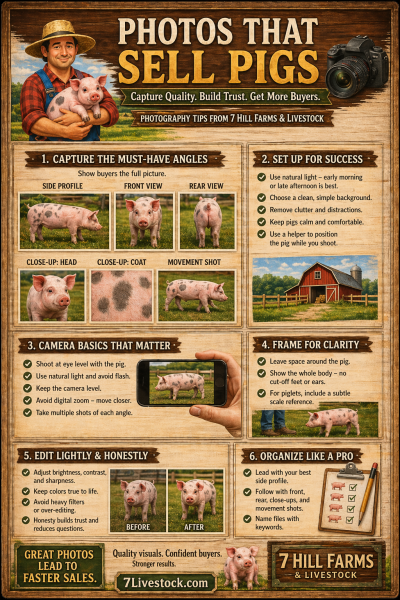
Quality photos matter. But perfection is not required early in the season. Buyers understand that pigs change quickly. They value transparency more than polish.

Listings that start early can be updated as pigs grow and conditions improve. Sellers who wait for flawless presentation often trade early exposure for minor visual improvements that do not outweigh lost visibility.

An evolving listing outperforms a perfect listing that appears too late.

Hope: Waiting Preserves Flexibility

This is one of the most common beliefs. Sellers assume that by waiting, they are keeping their options open.

In reality, waiting reduces flexibility. Early in the season, sellers can afford to wait for buyers. Later in the season, sellers often feel pressure to respond quickly, negotiate harder, or adjust terms to close deals.

Flexibility comes from having time and attention, not from delaying entry.

Have a Pig to Sell?

  • Reach ready buyers
  • Easy listing process
  • Straightforward pricing

Create Listing

What Actually Happens When Sellers Wait

While sellers wait, buyers continue moving forward. They research, compare, save listings, and build preferences. By the time many late listings go live, buyers have already decided what they want and where they want it from.

Late listings often experience:

  • Fewer total inquiries
  • More price focused conversations
  • Shorter decision windows
  • Less control over pickup timing

These outcomes are rarely catastrophic, but they are limiting.

Waiting Shifts Urgency from Buyer to Seller

Early in the season, buyers feel urgency. Options are limited and they want to secure the right fit. Late in the season, urgency shifts to sellers. Time is compressed and alternatives are abundant.

This shift changes the tone of every interaction. Sellers who list early speak from a position of patience. Sellers who wait often negotiate from a position of necessity.

Why Early Listing Does Not Remove Control

Listing early does not force decisions. It creates awareness. Sellers can always decline offers, adjust details, or wait for the right buyer.

What sellers cannot do is retroactively create early season visibility once it has passed.

Reframing the Decision

The real choice is not between waiting and rushing. It is between being visible early or invisible during the most important buyer discovery phase.

Most sellers who wait are not making a mistake. They are acting on reasonable assumptions that simply do not match how seasonal marketplaces actually work.

For Pig Sellers, the Safer Choice Is Often the Earlier One

Waiting feels safe because it avoids commitment. Early listing feels exposed because it starts the process. But in seasonal livestock markets, exposure is what creates leverage.

The sellers with the most control are rarely the ones who waited the longest. They are the ones who showed up early and stayed visible.

FAQ

What if I list early and buyers contact me before I am ready to sell?
You can control timing and communication. Early interest does not require immediate commitment.

Is it risky to list without final details confirmed?
No. Buyers expect updates. Listings can evolve as pigs grow and plans solidify.

Does waiting ever help sellers?
Waiting may feel comfortable, but it often reduces visibility and leverage rather than increasing it.

Early Visibility Matters When Selling Pigs

In seasonal livestock markets, timing quietly shapes outcomes. Many sellers focus on readiness, final weights, polished photos, confirmed pricing, before selling pigs online. What’s often overlooked is buyer attention. Once it passes, it doesn’t reset.

At 7 Hill Farms & Livestock, we consistently see that early visibility plays a larger role in successful sales than most sellers expect. Not because pigs sell instantly, but because buyers begin watching far earlier than many sellers realize.

The Timing Element in Selling Pigs

Buyer Attention Is Front-Loaded

Buyers don’t wait until the peak of the season to start looking. They browse early to understand availability, compare sellers, and narrow options. This early research phase is when buyers form preferences and mental shortlists.

Listings that appear during this window benefit from repeated exposure. Buyers may see the same listing multiple times before ever reaching out. That familiarity builds trust long before price or timing discussions begin.

Late listings miss this phase entirely.

Visibility Is a One-Way Window

Unlike pricing or listing details, visibility is not something you can recover later. You can update weights. You can change photos. You can adjust pricing. But you cannot go back and be seen earlier in the season.

Early listings accumulate time in market. They sit in saved searches, resurface in alerts, and become familiar reference points. When buyers are ready to act, they often return to sellers they’ve already seen.

Late listings start from zero in a crowded marketplace.

Repeated Exposure Builds Credibility

Familiarity matters. Buyers are more likely to contact sellers they recognize, even if they can’t pinpoint why. Seeing the same farm name or listing multiple times creates confidence.

Early visibility allows your listing to:

  • Appear in early search results
  • Be bookmarked or saved by buyers
  • Be compared favorably over time

This advantage compounds. Sellers who list early don’t need to chase buyers later.

Have a Pig to Sell?

  • Reach ready buyers
  • Easy listing process
  • Straightforward pricing

Create Listing

Early Visibility Reduces Pressure Later

Sellers who wait often feel rushed once listings go live. Inquiries come with tighter timelines. Buyers have more alternatives. Decisions feel heavier.

Early visibility flips this dynamic. When buyers come to you over time, you retain control. You can wait, respond selectively, or adjust terms without urgency.

Visibility buys time. Time buys leverage.

Buyer Behavior Doesn’t Pause While You Wait

One of the biggest misconceptions sellers have is assuming buyers will start searching when listings increase. In reality, buyers begin looking when they decide they’ll need pigs this season, not when sellers feel ready.

By the time many late listings appear, buyers have already:

  • Identified preferred locations
  • Established price expectations
  • Narrowed their list of sellers

Entering the market late means competing for leftover attention, not fresh demand.

Early Listings Are About Presence, Not Perfection

Some sellers delay listing because everything isn’t finalized. But early buyers don’t expect perfection. They expect honesty and availability.

Listings can be updated as the season progresses. Early visibility doesn’t lock you into terms. It simply places you in the conversation while buyers are still forming opinions.

Silence is far more limiting than an evolving listing.

The Cost of Missing the Early Window

Missing early visibility doesn’t always show up as an obvious loss. Listings may still receive inquiries. Pigs may still sell. But sellers often experience fewer inquiries, more price focused conversations, and less flexibility on timing.

These are the quiet costs of waiting.

Early Visibility Is a Strategic Advantage in Selling Pigs

Early visibility isn’t about rushing sales. It’s about positioning. Sellers who appear early benefit from longer exposure, stronger buyer recognition, and more control throughout the season.

Once buyer attention moves on, it doesn’t come back.

Listing early doesn’t guarantee a sale. It guarantees you won’t be invisible when buyers are deciding.

FAQ

Do buyers really start looking before most pigs are listed?
Yes. Buyers research early to understand availability and compare sellers, even if they plan to purchase later.

Can’t I just list later if my pigs aren’t ready?
You can, but you’ll miss the early discovery window when buyer attention is highest.

Does early visibility mean I have to respond immediately to buyers?
No. Visibility creates options, not obligations. You control when and how you engage.

The Hidden Cost of Waiting to List Pigs Online

For many sellers, waiting to list pigs online feels like the responsible move. You might be waiting for better weights, clearer photos, firmer pricing, or simply “the right time.” On the surface, delay feels safe. In reality, waiting often carries a cost that isn’t obvious until later in the season, when options are fewer and pressure is higher.

At 7 Hill Farms & Livestock, we see this pattern every year. Sellers who list early rarely regret it. Sellers who wait often wish they had acted sooner.

Waiting to List Pigs Costs in Many Ways

Delaying a listing gives the illusion of control. It feels like you’re preserving flexibility by holding off. But seasonal marketplaces don’t stand still. While you’re waiting, buyers are already searching, comparing, and building shortlists. The season advances whether your listing is live or not.

The biggest misconception is that listing equals committing to sell immediately. It doesn’t. Listing simply creates visibility. Waiting removes it.

The Opportunity Cost of Waiting to List Pigs

Opportunity cost is what you give up when you choose one option over another. When you delay listing pigs online, you give up:

  • Early buyer attention
  • Time-in-market exposure
  • The ability to let buyers come to you

These losses aren’t dramatic or sudden. They’re quiet. But they compound quickly in a seasonal market.

Early Listings Compete on Preference. Late Listings Compete on Price

Early in the season, buyers are selective. They’re looking for the right fit: genetics, location, timing, and seller credibility. When pigs are listed early, buyers evaluate them based on preference.

Later in the season, the dynamic changes. Buyers have more choices and less urgency. Sellers who enter late are often competing on price or convenience rather than fit. The same pig can command very different conversations depending on when it’s listed.

What Sellers Actually Lose by Waiting

Waiting to list doesn’t just delay inquiries. It shrinks your leverage.

You lose the chance to:

  • Be discovered during the buyer research phase
  • Appear repeatedly in saved searches
  • Build familiarity before buyers are ready to commit

By the time many late listings go live, buyers have already narrowed their options. Even strong listings are now competing for leftover attention.

Why Early Listings Create Options

Optionality is the ability to choose. Early listings create more of it.

When you list early, you can:

  • Decline offers without pressure
  • Wait for the right buyer
  • Adjust pricing or details as the season unfolds
  • Set pickup windows that work for your operation

Waiting reduces these options. As the season progresses, timelines compress and decisions feel more forced.

Have a Pig to Sell?

  • Reach ready buyers
  • Easy listing process
  • Straightforward pricing

Create Listing

Listing Early Doesn’t Force a Sale

One of the most common reasons sellers wait is fear of commitment. But a listing is not a contract. It’s a signal.

You can:

  • Mark pigs as available later
  • Update weights and photos over time
  • Change pricing as demand becomes clearer

What you can’t do is recover lost visibility once the early season passes.

Capturing Early-Season Advantage Without Locking Yourself In

The smartest sellers treat early listings as a foundation, not a final step.

Start with what you know:

  • Basic details
  • Estimated timelines
  • Honest descriptions

As the season progresses, refine the listing. Buyers expect this. What they don’t expect is silence.

The Real Risk Isn’t Listing Early. It’s Waiting Too Long.

In seasonal livestock markets, momentum matters. The sellers with the most control are the ones who show up early, stay visible, and let the market come to them.

Waiting feels cautious. In practice, it often narrows your choices.

Now is the Time to List Pigs

Listing early protects your leverage, visibility, and flexibility all season long. Create your pig listing today and give buyers time to find you before the market gets crowded.

FAQ

Does listing pigs early mean I have to sell them right away?
No. Listing creates visibility, not obligation. You control timing, pricing, and whether you accept offers.

What if my pigs aren’t at ideal weight yet?
Early buyers understand that details evolve. Listings can be updated as pigs grow and timelines become clearer.

Is it better to wait if prices might go up later?
Waiting can reduce leverage. Early listings give you the option to wait for better offers without losing visibility.