Blogs on Topics Related to Pig Buying and Selling

How to Sell Hereford Pigs Faster: Pricing, Photos, and Where Listings Convert

Selling Hereford pigs can be highly profitable if you understand what buyers look for and how to position your listing. Whether you are selling registered breeding stock, show pigs, or quality homestead feeders, small improvements in your presentation can dramatically speed up buyer response. At 7 Hill Farms & Livestock, we see firsthand which listings convert quickly and which buyers skip over. Use the list below to increase visibility, build trust, and sell your Hereford pigs faster.

Price With Purpose Instead of Guesswork

Many sellers list pigs based on what others around them are charging. While this works occasionally, strategic pricing consistently delivers faster sales.

  • Research your category. Breeding gilts, show prospects, feeders, and pasture pigs all have different price ranges. Buyers know the differences even if sellers sometimes do not.
  • Highlight bloodlines if applicable. Herefords with proven genetics, correct markings, or show quality structure justify higher pricing and attract more motivated buyers.
  • Use price points instead of ranges. Listings with clear, fixed prices tend to convert faster because buyers do not want to negotiate or wonder what the real number is.
  • Adjust your price by season. Demand changes throughout the year. Feeder pigs spike in spring. Show pigs spike in fall and winter. Breeding animals move best in late summer and early fall.

Have a Pig to Sell?

  • Reach ready buyers
  • Easy listing process
  • Straightforward pricing

Create Listing

Include Photos Buyers Trust

High quality photos are the difference between a listing that sits for weeks and one that sells in 24 hours. Buyers want to be confident in what they are purchasing, especially if they are traveling long distances.

  • Shoot in natural light. Sunrise or late afternoon produces the best color and the clearest markings for Herefords.
  • Use clean backgrounds. Avoid clutter, dark barns, or distracting environments. Grass or a clean pen helps the pig stand out.
  • Show both sides of the animal. Buyers want to see markings, structure, slope, length, and bone.
  • Add a clear face photo. The white face and red body are what make a Hereford recognizable and desirable.
  • If selling a group, photograph them individually. Group photos are fine, but individual photos dramatically increase conversion rates.
  • Avoid blurry movement shots. A calm pig in a small pen is easier to photograph and makes your listing look more professional.

Write Descriptions That Answer Buyer Questions Immediately

A complete, transparent description builds trust and eliminates unnecessary messages that slow down the sale.

  • Start with the basics such as age, weight, sex, and whether the pig is registered, purebred, or cross.
  • State the feeding program. Buyers want to know what the pig has been eating and how well it has been growing.
  • Include temperament details. Quiet, manageable pigs sell much faster.
  • Describe the pig’s purpose. Breeding, show, feeder, pasture, or homestead use. Buyers search by intent.
  • Add vaccination or health information. Even basic statements such as healthy and growing well help reassure new buyers.

Choose the Right Platform for the Fastest Conversion

Not all marketplaces perform equally well for Herefords. Choosing the correct listing site speeds up the sale and brings more qualified buyers.

  • Local Facebook livestock groups work for nearby buyers but often bring time wasters.
  • Farm pages and websites are great for building your long term reputation but may not create quick sales.
  • General classifieds attract mixed audiences who may not be searching specifically for Hereford pigs.
  • Dedicated livestock marketplaces consistently drive the fastest conversions because they reach buyers who are actively searching.

At 7 Hill Farms & Livestock, we see that sellers who post on livestock focused platforms with strong filtering options such as breed, price, distance, and purpose receive more serious inquiries and quicker deposits.

Timing Matters for Hereford Sales

Understanding buyer seasonality gives you a major advantage.

  • Show pigs peak September through November and January through March.
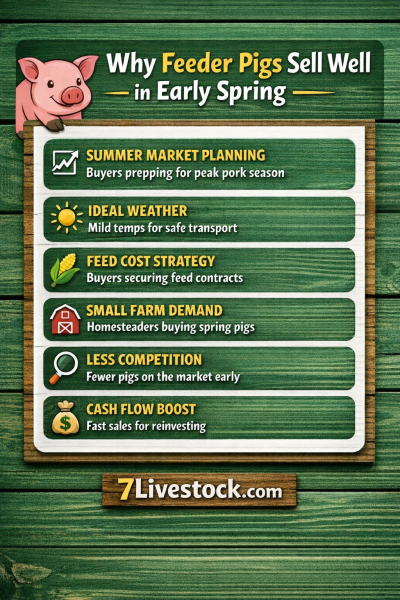
  • Feeder pigs move fastest in spring and early summer.
  • Breeding stock performs best in late summer and fall.
  • Pasture pig listings increase in spring when homesteads prepare for the grazing season.

Aligning your listing with these windows increases visibility and reduces the time spent on market.

Build Trust With Simple Buyer Expectations

Buyers commit faster when they know the process is clear and fair.

  • State your pickup location and preferred scheduling.
  • Clarify whether deposits are required.
  • Explain if pricing is firm or negotiable.
  • Provide your preferred communication method.
  • Be ready with weight estimates or updated photos upon request.

Little touches like quick replies, clean pens, and friendly communication can turn a single buyer into a repeat customer.

Sell Your Hereford Pigs Faster With Better Listings

If you want to sell your Hereford pigs quickly and confidently, focus on clear pricing, professional photos, complete descriptions, and platforms designed for livestock buyers. At 7 Hill Farms & Livestock, we help sellers move their stock faster by showing them exactly what buyers want to see.

Ready to list your Herefords? Let us help you reach active, serious buyers today, simply create a listing: List a Pig.

FAQ

What is the best age to list Hereford pigs for sale
Most sellers see the fastest response when pigs are between eight and twelve weeks old because buyers want young pigs that will adapt quickly to new environments.

Do buyers prefer registered Hereford pigs or unregistered stock
Both sell well, but registered pigs often attract more serious breeders and show homes. Clear markings and quality structure matter just as much as paperwork.

How many photos should I include in a listing for best results
Three to five clear photos are ideal. Buyers want to see both sides, the full body, and a close up of the face to confirm Hereford characteristics.

When to List a Pig for Sale: Seasonality for Show, Feeder, and Pasture Pigs

Timing matters when listing pigs for sale because demand changes throughout the year. Buyers searching for show pigs, feeder pigs, or pasture pigs all follow different seasonal cycles. At 7 Hills Farm and Livestock, we help sellers understand these patterns so they can post listings at the most profitable time. Below is a complete list style guide outlining the best seasons for each pig category.

Seasonal Impact on Pig Sales

Got a Pig to Sell?

  • Reach ready buyers
  • Easy listing process
  • Straightforward pricing

Create Listing

Best Times to List Show Pigs

  • Buyers purchase show pigs based on targeted show dates, so timing needs to match exhibitor schedules.
  • Early fall is ideal for customers preparing for spring jackpot shows and early fair events. Piglets six to ten weeks old sell very quickly during September through November.
  • Late winter is the prime buying period for summer fair contestants. January through March listings perform best because buyers want pigs that will finish at ideal weights for July and August fairs.
  • Being visible early helps reach committed families before they choose another breeder.

Best Times to List Feeder Pigs

  • Feeder pigs weighing 30 to 70 pounds have the strongest demand in early spring. From March through May, growers want pigs early enough to finish before cold weather returns.
  • Summer brings moderate demand. June and July listings often appeal to buyers adding a second round of pigs or looking to make use of extra forage.
  • Fall brings a slowdown in feeder pig sales because customers avoid finishing pigs during winter feeding months.
  • Winter has the lowest demand, with December through February mostly limited to indoor or specialized operations.

Best Times to List Pasture Pigs

  • Pasture type breeds such as Kunekune, Mangalitsa, Large Black, and Tamworth follow a different buying rhythm.
  • Spring is the strongest season for pasture pigs. March through June buyers look for pigs that can transition easily to grazing as pastures green up.
  • Late summer is another productive period. August and early September buyers want pigs ready to utilize fall forage and leftover garden vegetation.
  • Winter is slow for pasture pig listings because fewer homesteaders want to transport or acclimate pigs in cold weather.

Seasonal Tips for Stronger Listings

  • List pigs two to three weeks before peak demand to get in front of early planners.
  • Use clear, well-lit photos with side angles, weight estimates, and parent pictures to increase buyer confidence.
  • Include vaccination details and feed programs to show pigs are healthy and well started.
  • Adjust pricing based on season so you remain competitive.
  • Cross list on multiple livestock friendly platforms for broader reach.

Seasonal Pig Listings

Seasonal patterns play a key role in how quickly pigs sell and at what price. Show pigs generally perform best in early fall and late winter, feeder pigs move quickest during the spring and early summer months, and pasture pigs draw the strongest demand in spring and late summer. Winter tends to be the slowest season for every category. By understanding and planning around these natural cycles, you can list your pigs at the most effective times and achieve better selling results with the support of 7 Hills Farm and Livestock. For additional guidance or help timing your next listing, reach out to 7 Hills Farm and Livestock for personalized support.

FAQ

What is the best age to list piglets for sale?
Most buyers prefer weaned piglets around six to eight weeks old because they travel well and adjust quickly.

How early should I list before a busy buying period?
Two to three weeks before peak demand helps you reach buyers before they commit elsewhere.

Do photos and descriptions affect how fast pigs sell?
Yes. Clear photos and accurate information significantly improve trust and lead to quicker sales.

Best Pig Breeds for Breeding: Pros, Cons, and Starter Costs

Choosing the right pig breed for breeding programs is one of the most important decisions for any farmer. Each breed offers different strengths, from growth rate and litter size to feed efficiency and meat quality. Below is a simple breakdown of the best pig breeds for breeding, along with their pros, cons, and approximate starter costs to help you make the right choice for your farm.

Best Pig Breeds for Breeding

Yorkshire

Pros:

  • Excellent maternal instincts
  • Large litters
  • Strong feed to gain ratio
  • Great crossbreeding potential

Cons:

  • More sensitive to heat
  • Requires quality nutrition to maintain body condition

Starter Costs:

  • Gilts: typically mid range
  • Boars: moderate

Landrace

Pros:

  • Known for long bodies and high milk production
  • Produces large, healthy litters
  • Strong maternal traits
  • Great for maternal line breeding programs

Cons:

  • Can be prone to soundness issues if not managed carefully
  • Requires attentive housing and care

Starter Costs:

  • Gilts: moderate
  • Boars: slightly higher due to demand for breed improvement

Find a Breeder Pig
Near You

Browse Listings

Duroc

Pros:

  • Fast growth and excellent meat quality
  • Hardy in outdoor environments
  • Good temperament
  • Ideal terminal sire breed

Cons:

  • Not as strong maternally as white breeds
  • Slightly higher feed consumption

Starter Costs:

  • Boars: often higher due to market demand
  • Gilts: moderate

Berkshire

Pros:

  • Premium meat quality with exceptional marbling
  • Hardy and adaptable
  • Good temperament
  • Strong niche market value

Cons:

  • Smaller litter sizes
  • Slower growth compared to commercial lines

Starter Costs:

  • Often higher, especially for registered stock

Chester White

Pros:

  • Very good mothers
  • Large litters with strong piglet survivability
  • Adaptable and easy to manage
  • Good crossbreeding potential

Cons:

  • Sensitive skin in full sun
  • Slightly slower growth than Yorkshire or Duroc

Starter Costs:

  • Gilts: moderate
  • Boars: moderate

Hampshire

Pros:

  • Great carcass yield and muscling
  • Efficient feeders
  • Produces uniform offspring
  • Popular sire line breed

Cons:

  • Not known for maternal strengths
  • Can be more aggressive than other breeds

Starter Costs:

  • Boars: moderate to high
  • Gilts: moderate

Tamworth

Pros:

  • Excellent for outdoor or pasture based systems
  • Strong rooting instinct
  • Hardy and disease resistant
  • Good bacon style carcass results

Cons:

  • Leaner meat with less marbling
  • Can be more active and require stronger fencing

Starter Costs:

  • Generally moderate but can vary based on availability

Need a Special Pig?

  • Give us your wish list
  • We’ll match you to sellers
  • No obligation to buy

Order a Pig

Gloucestershire Old Spot (GOS)

Pros:

  • Outstanding maternal instincts
  • Calm and docile temperament
  • Good on pasture
  • High quality pork for specialty markets

Cons:

  • Slower growers
  • Harder to source in some regions

Starter Costs:

  • Often on the higher end due to rarity

Which Breed Is Best for You

Your ideal breeding stock depends on your goals. For large scale production, Yorkshire, Landrace, and Hampshire are common choices. For fast growth and exceptional meat quality, Duroc and Berkshire stand out. Farms with pasture setups often prefer Tamworth or GOS. For breeders looking for balanced traits and strong mothering, Chester White and Yorkshire remain top options. Many farms benefit from crossbreeding maternal lines with strong sire lines for improved growth, hybrid vigor, and survivability.

Start Your Breeding Program With Confidence

7 Hills Farm & Livestock provides healthy, well raised breeding stock that meets the needs of both small farms and large scale operations. Whether you are building a maternal herd, improving carcass quality, or starting a pasture based breeding program, we can help you select the right pigs for long term success.

FAQ

What is the easiest pig breed for beginners to start breeding?
Yorkshire and Chester White are popular beginner friendly options because they are calm, reliable, and strong mothers that produce consistent litters.

How many pigs should I start with for a small breeding program?
Many new breeders begin with one boar and two gilts. This setup provides manageable herd growth and steady production without overwhelming space or feed resources.

How important is crossbreeding for improving litter performance?
Crossbreeding is one of the most effective ways to increase growth rates, uniformity, hybrid vigor, and overall piglet survivability, especially when combining maternal and sire line strengths.

Chester White Pigs for Sale: How to Choose, Price Ranges, and Reputable Sellers

If you’re in the market for Chester White pigs, whether for breeding or production purposes, it’s important to understand how to choose the right pigs, what price ranges to expect, and how to find reputable sellers. This guide will help you navigate the process and make an informed decision when purchasing Chester White pigs from trusted sources like 7 Hill Farms & Livestock.

Understanding Chester White Pigs

Chester White pigs are a popular breed known for their hardiness, excellent reproductive abilities, and consistent growth rates. They are characterized by their all-white color, erect ears, and muscular build. These traits make them ideal for both commercial and family farm operations.

Why Choose Chester White Pigs?

  • Excellent maternal instincts
  • Fast growth rates
  • Good adaptability to various climates and environments
  • High-quality meat with good marbling

How to Choose the Right Chester White Pigs

When looking for Chester White pigs for sale, it’s essential to consider several factors to ensure you get healthy, high-quality animals.

Age of the Pigs

  • Piglets: Ideal for those looking to raise pigs from the beginning and select their breeding stock.
  • Weanlings or Growers: These pigs are already weaned and may be ready to grow for meat production.
  • Breeding Stock: If your goal is to breed pigs for long-term production, purchasing mature breeding pairs is crucial.

Health and Condition

  • Check for visible signs of good health like clear eyes, healthy skin, and smooth coats.
  • Make sure the pigs are free from parasites and diseases by asking for veterinary records or health guarantees.

Temperament

  • Chester White pigs are known for their docile nature. Make sure the pigs you choose are calm and easy to manage.

Find a Chester White Pig
Near You

Browse Listings

Price Ranges for Chester White Pigs

The price of Chester White pigs can vary depending on several factors, such as age, quality, and the seller’s location. However, you can expect the following general price ranges:

Piglets

  • Price Range: $100 – $300 each
  • Piglets are typically the least expensive but may require more care and attention to ensure they grow into healthy adults.

Weanlings

  • Price Range: $200 – $500 each
  • Weanlings are older than piglets and are ready for further growth. They usually cost more due to their age and readiness for farm operations.

Breeding Stock

  • Price Range: $500 – $1,000+ per pair
  • Mature breeding pairs tend to be the most expensive because they are already proven for reproduction and may come with a pedigree or health certification.

Factors Affecting Prices

  • Quality of the Pig: Show pigs or those with desirable genetics may command higher prices.
  • Location: Shipping costs may impact the total price, especially if you’re buying pigs from outside your area.

Questions to Ask

To make sure you’re getting the best deal and healthy pigs, ask potential sellers the following questions:

  • Are the pigs raised in humane and clean conditions?
  • Can you provide a health certificate for the pigs?
  • Do the pigs have a vaccination history?
  • Can you share any photos or videos of the pigs on the farm?
  • Do you offer any guarantees on the pigs’ health or breeding success?

Need a Special Pig?

  • Give us your wish list
  • We’ll match you to sellers
  • No obligation to buy

Order a Pig

Additional Tips for Buying Chester White Pigs

Understand the Commitment

  • Raising pigs requires time, effort, and resources. Be sure that you’re prepared for the long-term commitment to caring for your pigs.

Prepare Your Facility

  • Ensure that your barn or pig pen is ready to accommodate your new pigs, with proper fencing, water supply, and nutrition plans.

Consider Future Breeding Plans

  • If you’re purchasing pigs for breeding purposes, consider selecting pigs with strong genetic traits to improve the quality of future offspring.

By keeping these considerations in mind, you can make an informed choice when purchasing Chester White pigs. Whether you’re looking for piglets to raise or mature breeding stock to enhance your herd, ensuring that you’re dealing with a reputable seller like 7 Hill Farms & Livestock is key to success.

FAQ

How do I know if a Chester White pig is healthy?
To ensure the pig’s health, look for signs like clear eyes, smooth coats, and active behavior. Ask for veterinary records, health certifications, and proof of vaccinations from the seller.

Can Chester White pigs be raised in all climates?
Yes, Chester White pigs are adaptable to a variety of climates. They are hardy and can thrive in both hot and cold environments if they are provided with proper shelter and care.

Are there any benefits to raising Chester White pigs for breeding?
Chester White pigs are known for their excellent maternal instincts, making them ideal for breeding. Their calm temperament and high reproductive success make them a reliable choice for those looking to expand their herd.


Writing Pig Listings that Convert: Keywords and Common Buyer Questions

When you are posting pigs for sale online, clear and simple listings make a major difference. Buyers want fast answers, and search engines need specific terms (called “keywords”) to show your listing in front of the right people. Below is an easy, beginner-friendly guide written mostly in list format to help you create pig listings that get seen and get results.

What Are Keywords and Why They Matter

Keywords are the words people type when searching for pigs to buy.
Examples include:

  • “Berkshire piglets for sale”
  • “Feeder pigs near me”
  • “Registered breeding stock”
  • “Show pigs in Ohio”

Why they matter:

  • Search sites use keywords to match your listing with what buyers are searching for.
  • Strong keywords help your post show up higher and more often.
  • Using the right terms saves buyers time and makes your listing look more trustworthy.

Got a Pig to Sell?

  • Reach ready buyers
  • Easy listing process
  • Straightforward pricing

Create Listing

How to Choose the Right Keywords

Use clear, simple words buyers already understand. You do not need tech skills. Just think: What would I type if I wanted this pig?

Good keyword categories include:

Breed keywords:

  • Berkshire, Hereford, Yorkshire, Duroc, Hampshire, Kunekune

Age and size keywords:

  • Piglets, feeder pigs, growers, finishers, sows, boars

Purpose keywords:

  • Breeding stock
  • Butcher ready pigs
  • 4H and FFA show pigs

Health keywords:

  • Vaccinated
  • Wormed
  • Closed herd
  • Disease tested or certified

Location keywords:

  • “For sale in Ohio”
  • “Near Ashland”
  • “North central Ohio pigs”

Tip: Use 2 to 3 keywords in the title and 3 to 6 throughout the description.

How to Structure a High Converting Pig Listing

Follow this simple outline so buyers immediately understand what you are offering.

Listing Title (Use Keywords)

Examples:

  • Berkshire Feeder Pigs 40 to 60 lbs Healthy and Farm Raised Ohio
  • Registered Kunekune Piglets Breeding Quality Ready Now

Opening Description

Keep it short and direct:

  • What type of pigs
  • How old they are
  • Why they are good quality
  • When they are available

Basic Details (Easy to Read List)

Include:

  • Breed
  • Age and weight range
  • Sex (if important)
  • Registration status
  • Purpose (show, breeding, feeder, butcher ready)
  • Temperament notes
  • Feed program (grain fed, pasture raised, non GMO, etc.)
  • Vaccinations or treatments
  • Price

Location and Pickup Info

Always include:

  • City and county
  • How soon pigs are ready
  • If delivery is available
  • Hours or days you are available for pickup

Photos That Build Trust

Use:

  • Clear outdoor lighting
  • A clean background
  • Side profile shots
  • Group photo for litters
  • Close up of tags or notches if registered

Common Questions Buyers Ask (And What to Include in Your Listing)

Add answers to these so buyers do not have to ask.

  • What breed are they and why that breed?
    Mention temperament, growth rate, meat quality, or mothering ability.
  • How old are the pigs?
    Provide weeks for piglets or pounds or months for larger pigs.
  • What are they eating?
    Starter, grower, finisher feed, pasture, non GMO, custom mix, etc.
  • Are they healthy and vaccinated?
    List worming dates, vaccines, vet checks, or herd status.
  • Are they registered or registrable?
    Important for show and breeding buyers.
  • How much do they cost?
    Buyers appreciate transparency.
  • Do you offer delivery?
    Include distances, costs, or limitations.
  • Can I see the parents?
    Many buyers prefer this for breeding or show prospects.
  • What is your farm’s reputation?
    Briefly mention years in business or customer satisfaction.

Extra Tips to Make Your Listings Even Stronger

  • Keep sentences simple and avoid jargon.
  • Use bullet points so listings are easy to read on phones.
  • Update old listings instead of posting new ones.
  • Respond to messages quickly to secure more sales.
  • Post in evenings or weekends when buyers are more active.

Ready to Sell?

Reach out to 7 Hill Farms and Livestock for guidance, current availability, and help matching the right pigs to your needs. Whether you are selling your first feeder pigs or looking to market high quality breeding stock, we are here to make the process simple, honest, and stress free. Contact us with questions or to list your pigs today.

FAQ

How long should my pig listing be to attract buyers?
Most buyers prefer short, clear listings. Aim for 150 to 250 words with the essentials.

How often should I update my listings?
Update anytime weights change, pigs sell, new photos are added, or health details are updated.

Do keywords change depending on the season?
Yes. “Show pigs” trends in early spring, while “feeder pigs” and “butcher ready hogs” trend in fall. Adjusting keywords helps reach motivated buyers.

Best Pig Breeds for Show: Pros, Cons, and Starter Costs

Raising show pigs is both rewarding and educational, offering lessons in responsibility, animal care, and agricultural excellence. Whether you’re preparing for your first fair or looking to expand your herd, choosing the right breed makes all the difference. Below, we explore some of the best pig breeds for show, including their pros, cons, hardiness, and approximate starter costs.

Pig Breeds and Considerations

Yorkshire

Pros:

  • Excellent growth rate and feed efficiency
  • Naturally lean meat with good muscling
  • Highly adaptable to most climates

Cons:

  • Light-colored skin can be prone to sunburn
  • Requires clean housing to prevent skin irritation

Starter Cost: $150–$300 for quality show piglets

Ideal For: Beginners looking for a hardy, high-performing breed with consistent show potential.

Hampshire

Pros:

  • Distinctive black body with white belt; always stands out in the show ring
  • Excellent muscle definition and fast growth
  • Calm and easy to handle

Cons:

  • May not yield as much marbling as other breeds
  • Requires balanced feed to maintain body condition

Starter Cost: $200–$400

Ideal For: Youth exhibitors or 4-H participants who value temperament and striking appearance.

Duroc

Pros:

  • Known for rapid weight gain and strong frame
  • Hardy and heat-tolerant
  • High-quality, flavorful meat, popular among breeders and consumers alike

Cons:

  • Can be aggressive if not handled early
  • Sensitive to cold climates

Starter Cost: $250–$500 for premium show stock

Ideal For: Intermediate exhibitors ready to manage a strong, muscular pig with solid genetics.

Berkshire

Pros:

  • Famous for marbled meat and glossy black coat
  • Strong show presence with balanced frame
  • Adaptable and gentle temperament

Cons:

  • Slightly slower growth compared to Duroc or Hampshire
  • May require more protein-rich feed to reach competition weight

Starter Cost: $250–$600

Ideal For: Show participants seeking a breed with top-tier carcass quality and steady behavior.

Chester White

Pros:

  • Excellent maternal instincts, ideal if you plan to breed
  • Hardy in various environments
  • Consistent muscling and structure in the show ring

Cons:

  • Sensitive to sunlight, requires shade or shelter
  • May have slower finishing times

Starter Cost: $150–$350

Ideal For: Families or small farms looking to combine show projects with small-scale breeding operations.

Poland China

Pros:

Find a Show Pig
Near You

Browse Listings

  • Calm and docile, great for first-time handlers
  • Excellent feed conversion
  • Strong, long bodies that perform well in shows

Cons:

  • Slightly lower reproductive rates
  • Not as flashy in color as some breeds

Starter Cost: $175–$400

Ideal For: Beginners or those focused on steady performance and low maintenance.

Hereford

Pros:

  • Distinctive red and white color pattern
  • Excellent feed efficiency and adaptability
  • Hardy breed that thrives in outdoor or pen settings

Cons:

  • May require selective breeding for top show quality
  • Moderate muscle tone compared to Hampshire or Duroc

Starter Cost: $200–$450

Ideal For: Exhibitors seeking a resilient and visually unique pig that’s easy to raise.

Cost to Raise Pigs for Show

Beyond purchase price, plan for:

  • Feed: $250–$400 per pig for a typical 5–6 month show prep period
  • Bedding and Housing: $100–$200 annually
  • Veterinary Care and Deworming: $50–$150
  • Show Entry & Transport: $100–$300 depending on distance and competition level

Many small-scale exhibitors spend $600–$1,200 per season, depending on quality of feed, show gear, and travel.

Beginner Tips and Hardy Breed Recommendations

If you’re new to showing pigs, Yorkshire, Hampshire, and Doroc are among the best beginner-friendly breeds thanks to their docile nature and strong adaptability. For harsher climates or minimal shelter setups, Hereford and Duroc pigs are particularly hardy.

Consistency in feeding, proper hygiene, and early handling are key to raising a pig that’s both show-ready and healthy.

Final Thoughts

Need a Special Pig?

  • Give us your wish list
  • We’ll match you to sellers
  • No obligation to buy

Order a Pig

Raising show pigs isn’t just about ribbons, it’s about building experience, discipline, and appreciation for quality livestock. Whether you choose the muscle of a Duroc or the elegance of a Berkshire, your success starts with the right foundation.

For more insights into livestock care, pig sales, and show preparation, call 330-550-3487 or visit our blog.

FAQ

What age should a pig be when you start training for shows?
Most exhibitors begin working with their pigs around eight to ten weeks of age. Early training helps develop trust, responsiveness, and good behavior before they reach full size.

How often should a show pig be fed?
Feed your pig two to three times per day with consistent timing. Adjust portions based on activity level, growth stage, and desired body condition as show day approaches.

What’s the best environment for raising show pigs?
A clean, dry pen with good airflow is ideal. Provide shade in summer, fresh bedding in winter, and ample space for movement to keep your pigs healthy and calm during training.

How to Sell Berkshire Pigs Faster: Pricing, Photos, and Where Listings Convert

Your listing should always make it easy for buyers to say yes. Use this guide to set a smart price, capture photos that build trust, and post where buyers are already searching.

What makes Berkshire listings sell fast

  • Clear purpose: feeder, breeding, show, or homestead
  • Transparent price and what it includes
  • Sharp photos, basic health info, and any registration details
  • Clear pickup instructions or transport option
  • Fast replies to incoming inquiries

Pricing that attracts clicks and commits buyers

Start with a simple three-step framework.

  1. Compare at least 3 to 5 active Berkshire pig listings for sale within your drive range. Match for age, registration, and sex.
  1. Take in consideration: Registration and pedigree, show qualities and recent wins, litter uniformity and growth, vaccination and deworming record, and distance to dense buyer areas.
  2. Post the public price, but set in your mind the lowest you would allow for haggling ahead of time.

Typical Berkshire asking ranges

Use these as planning anchors, then price to your local market and listing quality.

  • Feeder piglets 8–10 weeks, non-registered: $90–180
  • Registered Berkshire piglets: $250–600
  • Bred gilts or young sows that are registered: $600–1,200
  • Proven boars that are registered: $400–1,000+
  • Elite pedigrees: $300–1,200+ depending on lineage

Seasonality tips

  • Prices often rise before fair seasons and major shows
  • Expect more inquiries towards the end of the week and Sundays.

Photos that build trust

Got a Pig to Sell?

  • Reach ready buyers
  • Easy listing process
  • Straightforward pricing

Create Listing

Buyers decide in seconds. Aim for 3-5 photos that capture the best of the following: full left and right profile, front and rear to show width and leg set, topline and loin shape, head close-up with ear notch or tag visible, underline on gilts and sows, 12+ well-spaced teats, hooves and pasterns on clean ground or whole litter for size uniformity.

Need help? See our Seller Photo & Pricing Tips before you shoot.

Write the listing that converts

The first 120–150 words of the description should highlight traits, talk about the diet, and details on the health routine. Of course, we’re assuming that the price, location, type, birth date, registration and weight are already prominently featured in the listing’s other sections. Other things you may want to list include pick up and/or transport options.

Keywords to sprinkle (if applicable) for showing up in Google

Berkshire piglets, registered Berkshire pig, feeder pigs, breeding gilt, Berkshire boar, or show prospect.

Where listings convert

  • 7Livestock.com’s Berkshire Pig category
    Buyers on our website can easily use filters for distance, age, sex, and price. We make it very easy for serious buyers to find your listing.
  • Cross-posting on social media
    You are more than welcome to post your 7Livestock.com listing on any social media platform. Facebook groups are an increasingly popular choice.

Transport and paperwork

  • In-state sales usually need only a bill of sale; across state lines often require a Certificate of Veterinary Inspection
  • Provide a clean, bedded crate at pickup with water and shade
  • If you need help, keep in mind we can recommend great transportation options nationwide

List Your Berkshire Pig for Sale

7Livestock.com can connect your Berkshire pigs with ready buyers. See for yourself how easy it is to create a listing: List a Pig.

Berkshire Pigs for Sale: How to Choose, Price Ranges, and Reputable Sellers

Shopping for Berkshire pigs means choosing a breed known for great marbling, calm temperaments, and solid pasture performance. This guide walks you through how to pick the right animals for your goals, what you can expect to pay, and how to find reputable sellers near you.

Why Berkshires are a solid choice

  • Heritage breed prized for dark, well-marbled pork
  • Typically docile and easy to handle
  • Thrive on pasture and do well in small-farm systems
  • Strong mothering traits and good feed efficiency

Start with your goal

Pick your category first to focus your search and budget.

  • Feeder/market hogs at 8–10 weeks to finish for meat
  • Breeding stock to build or improve a herd
  • Show prospects for 4-H/FFA or jackpot events
  • Pasture/homestead pigs for hardy, low-stress production

What to look for by category

Feeder pigs

  • Bright eyes, clean nose, good appetite, uniform size in the litter
  • Sound feet and legs, good width through the chest and loin
  • Weaned for at least a week, eating confidently

Breeding gilts and sows

  • Even underline with 12+ well-spaced teats
  • Wide, square build with strong pasterns
  • Pedigree and performance info available, registration ready for transfer

Boars

  • Strong feet and legs, correct toe angle and set
  • Masculine head and neck, wide base, good libido reports from the farm
  • Negative tests or health statements as required

Show prospects

  • Structure first: level topline, clean joints, square front and rear
  • Then shape and muscle suited to your show circuit

Registered vs. crossbred Berkshires

  • Registered animals come with papers from a breed association. You get documented lineage, clearer performance notes, and better resale value for breeding or show.
  • Crossbred animals can be a smart buy for feeders if price and growth are your top priorities. Ask which cross and why the breeder made it.

Example questions to ask

  • How old are the pigs and what are they eating now?
  • Any recent health issues?
  • Average daily gain or growth expectations?
  • What are the farm’s health practices?
  • If registered stock, what papers and transfer steps are included?
  • What are available pick-up times?  

Typical Berkshire price ranges

Find a Berkshire Pig
Near You

Browse Listings

Prices vary by region, registration, pedigree, show quality, and seasonal demand. Use these as general planning ranges and then compare to current listings in your area.

Category Typical Range
Feeder piglets (8–10 weeks, non-registered) $90–180 each
Registered Berkshire piglets $250–600 each
Bred gilts / young sows (registered) $600–1,200
Proven boars (registered) $400–1,000+
Elite pedigrees $300–1,200+

Tip: Prices can spike before fair seasons and drop after.

How to spot reputable Berkshire sellers

  • Complete listings with multiple clear photos
  • Transparent paperwork (ear notching, registration numbers, and transfer process)
  • Responsive messaging and straightforward instructions for payment & pick up

Red flags include a refusal to provide new photos, no weaning date, or pushy payment requests

Transport, health papers, and pickup

  • Check state-to-state rules for Certificates of Veterinary Inspection if traveling across state lines
  • Confirm pickup window and whether loading help is available
  • Bring a safe crate, bedding, water, and shade
  • Keep new pigs isolated for a short quarantine to protect your herd

Need a Special Pig?

  • Give us your wish list
  • We’ll match you to sellers
  • No obligation to buy

Order a Pig

A simple Berkshire pig buying checklist

  • Define goal and budget
  • Message sellers to confirm age, diet, and health history
  • Reserve with a clear pickup date
  • Prepare transport and a quarantine pen

Find a Berkshire Pig for Sale

7Livestock.com is a simple way to find pigs from reputable farms across the U.S. Compare listings by distance, type, and price, then contact sellers in one place: Browse Latest Listings. Prefer we do the legwork? Share your wish list and we’ll alert matching farms: Order a Pig.